I admired our ancestors in the early Middle Ages, how they managed to defend their culture against so many discharges. Imagine, the Romans were able to take fresh meat with them during their discharges. They had it in barrels filled with honey. The Delicates was the tail of a beaver or a paw of a bear. Matej Corvinus nearly wiped out all the bears in the country because of them
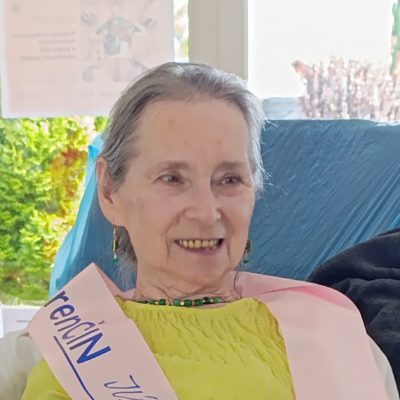
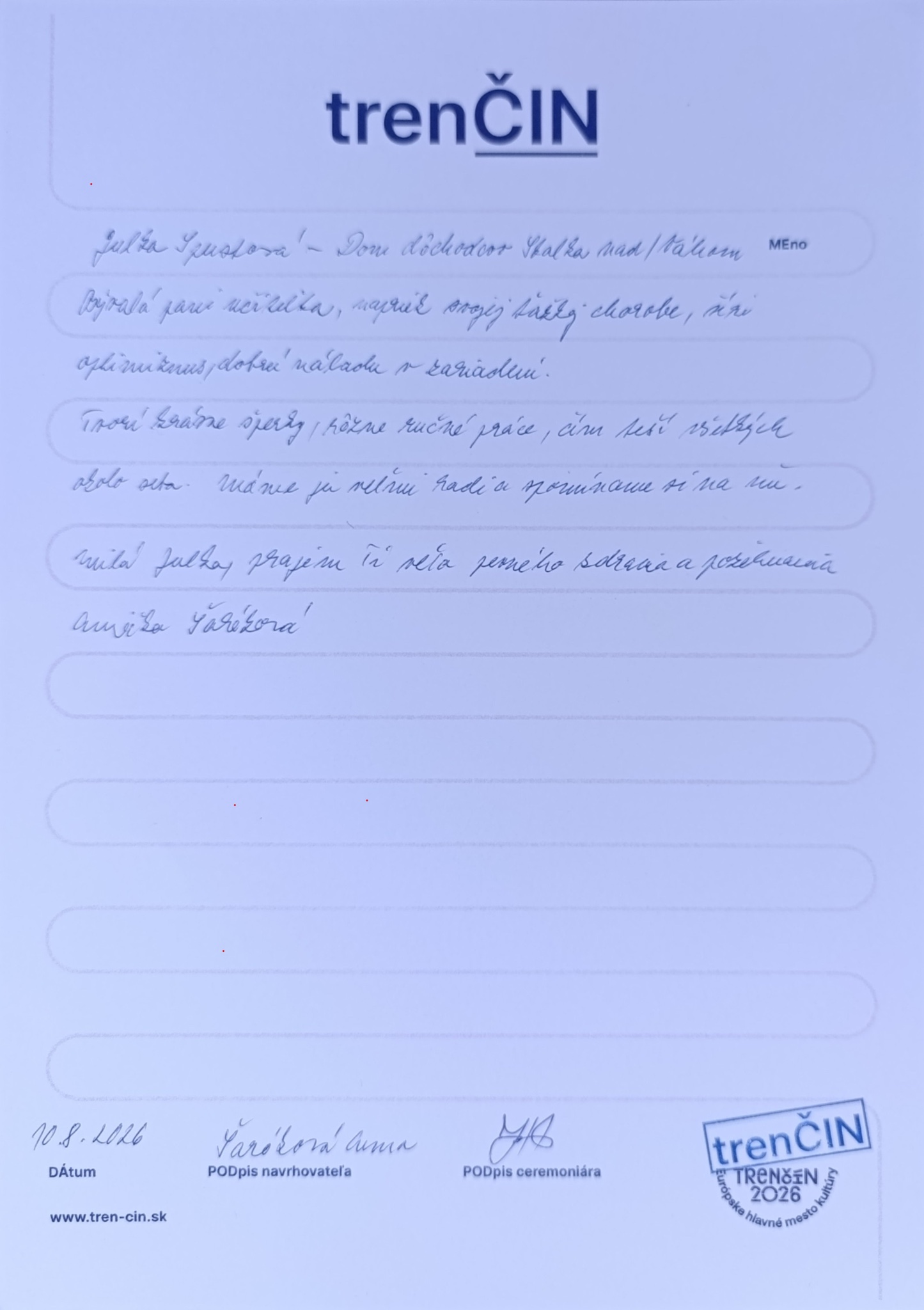
Júlia Spustová
Job: pensioner, teacher
Place: Skalka nad Váhom
Date of Award: 10. 8. 2026
I admired our ancestors in the early Middle Ages, how they managed to defend their culture against so many discharges. Imagine, the Romans were able to take fresh meat with them during their discharges. They had it in barrels filled with honey. The Delicates was the tail of a beaver or a paw of a bear. Matej Corvinus nearly wiped out all the bears in the country because of them
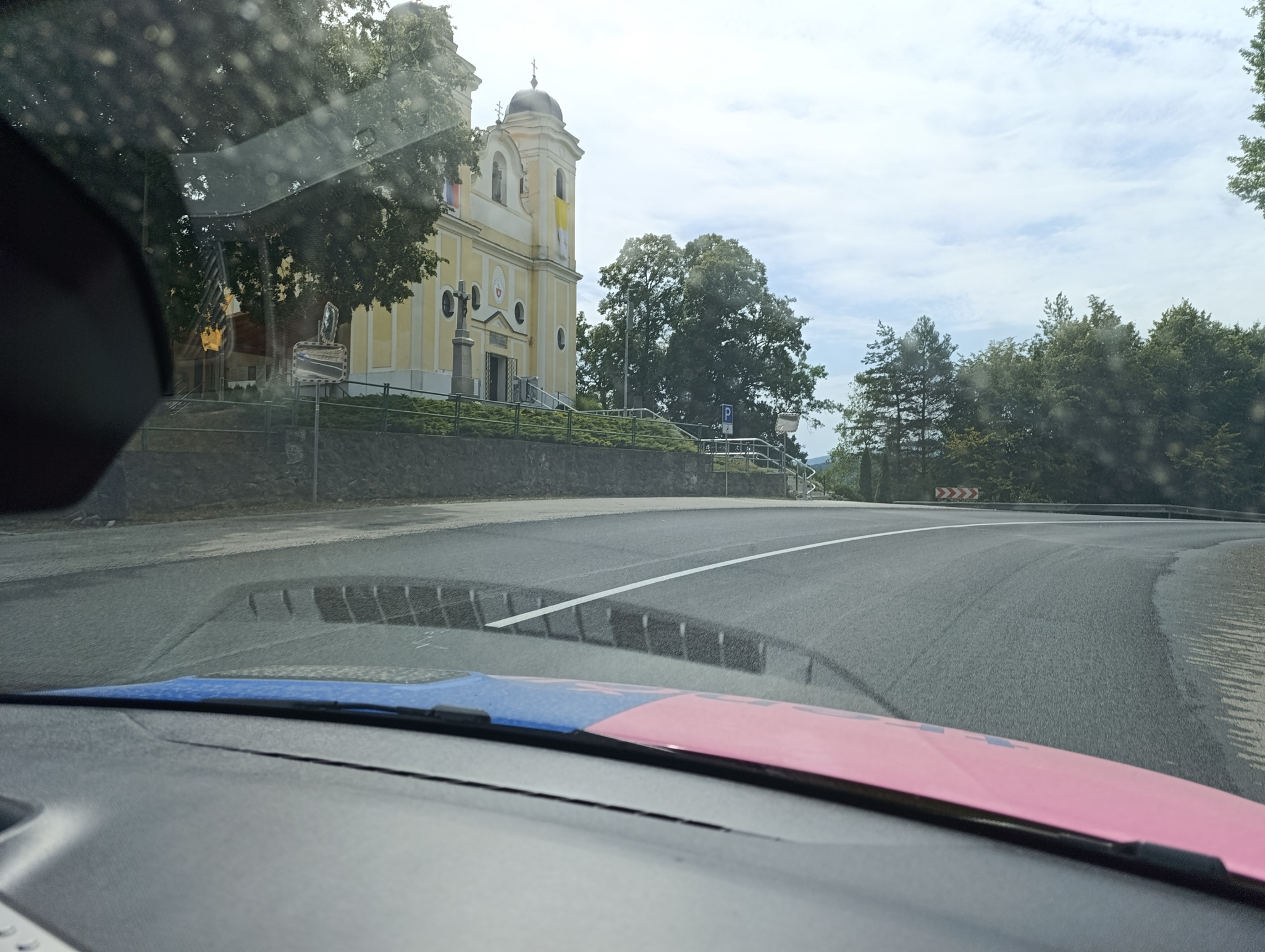
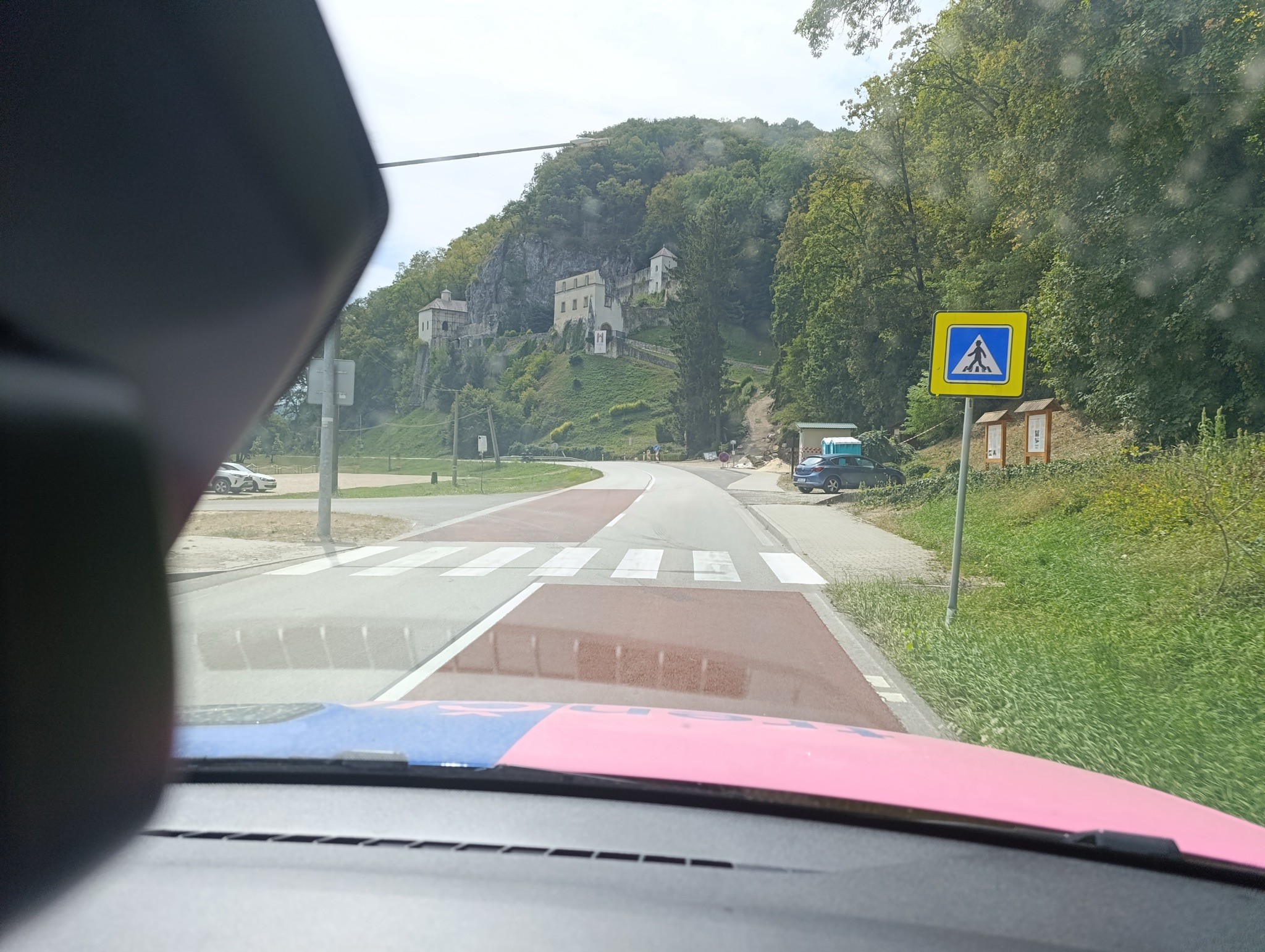
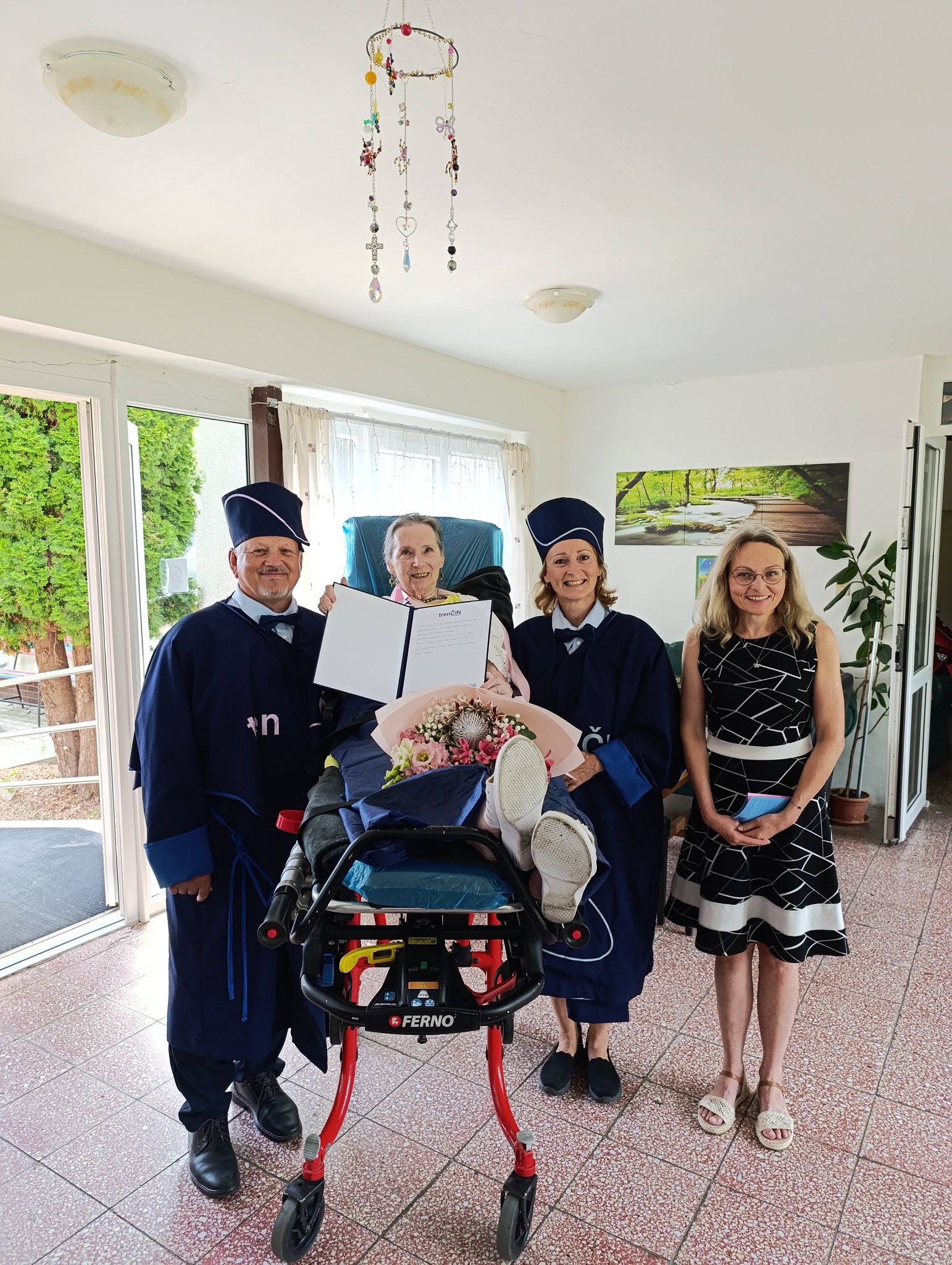
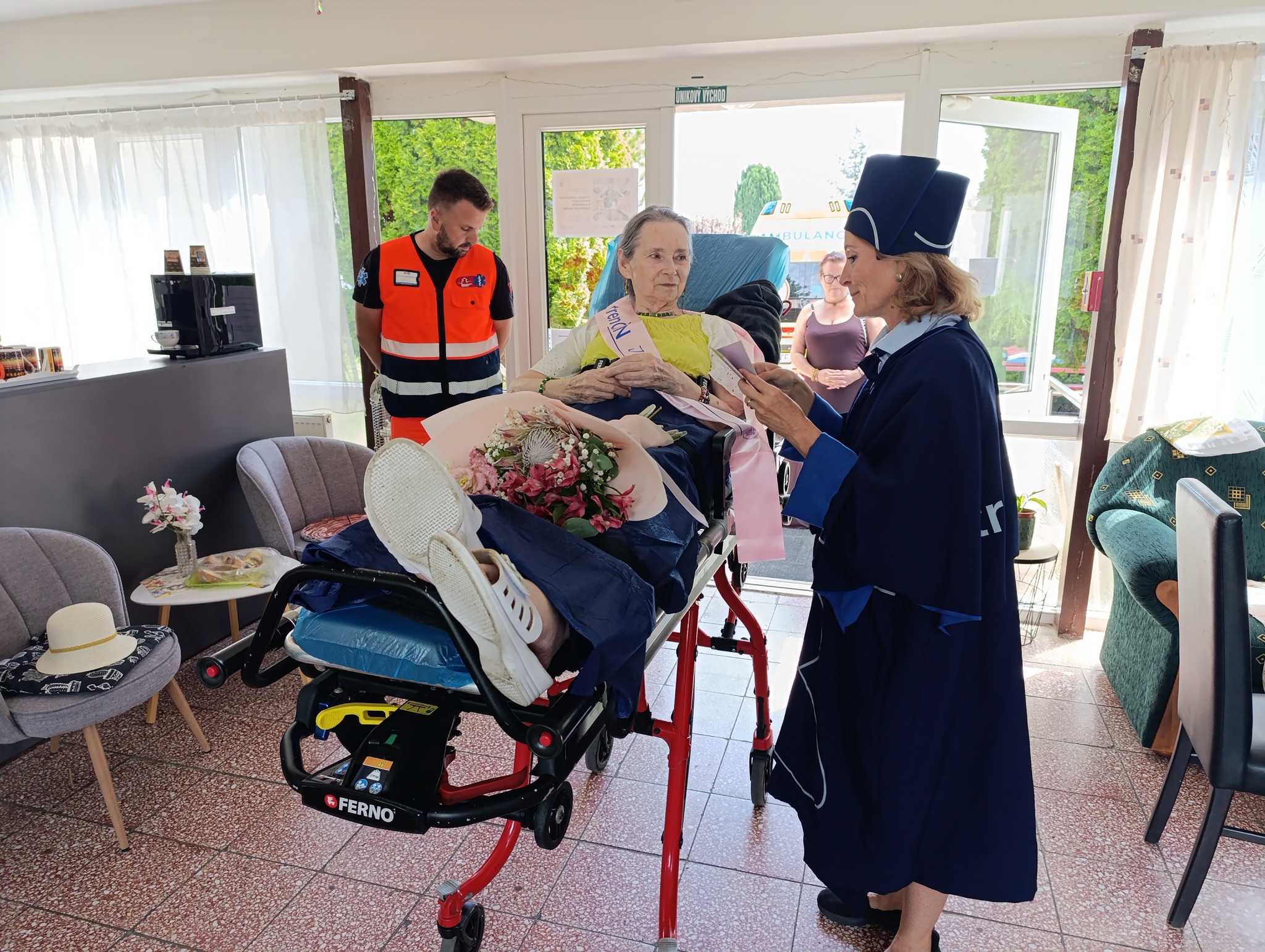
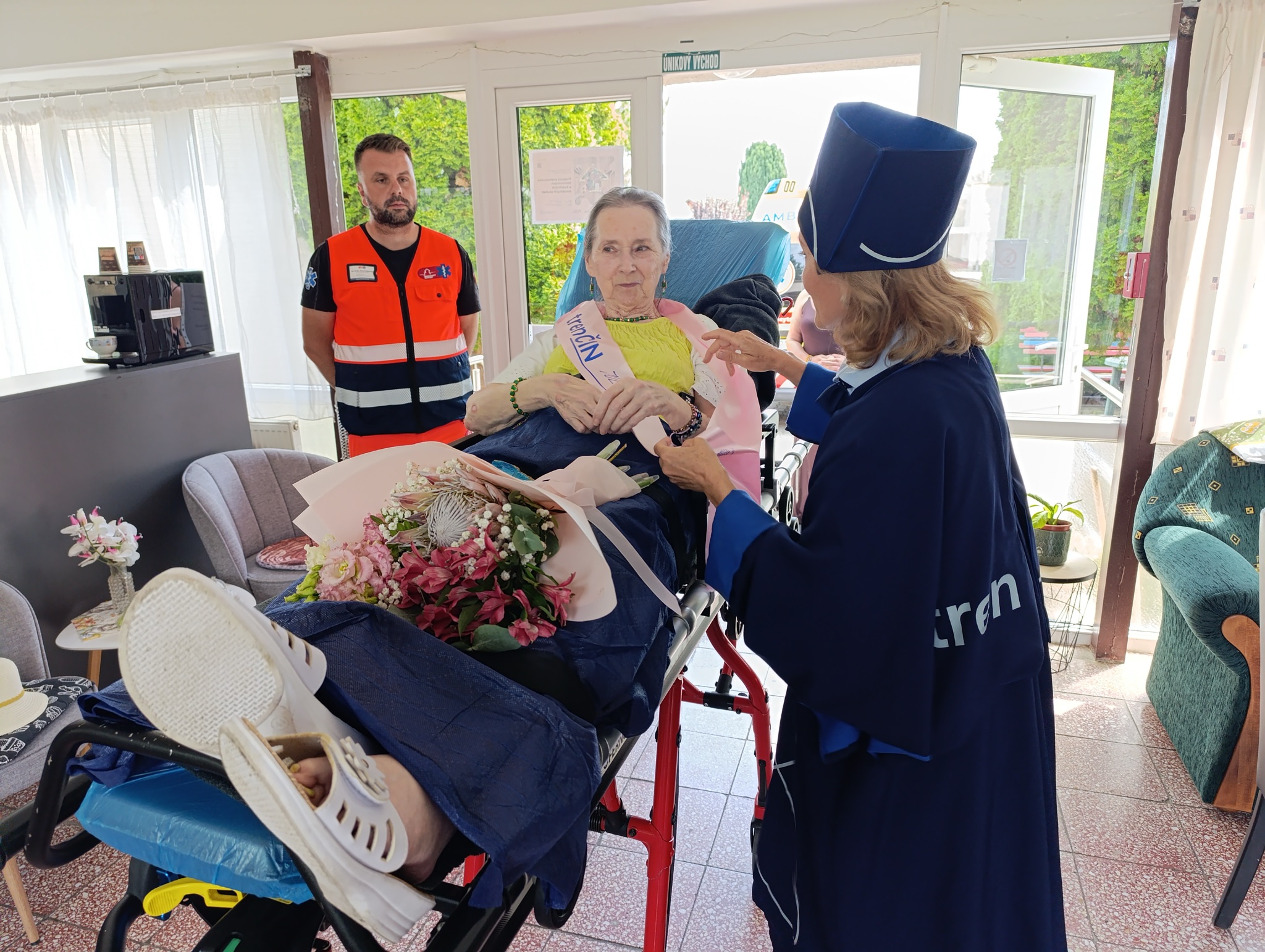
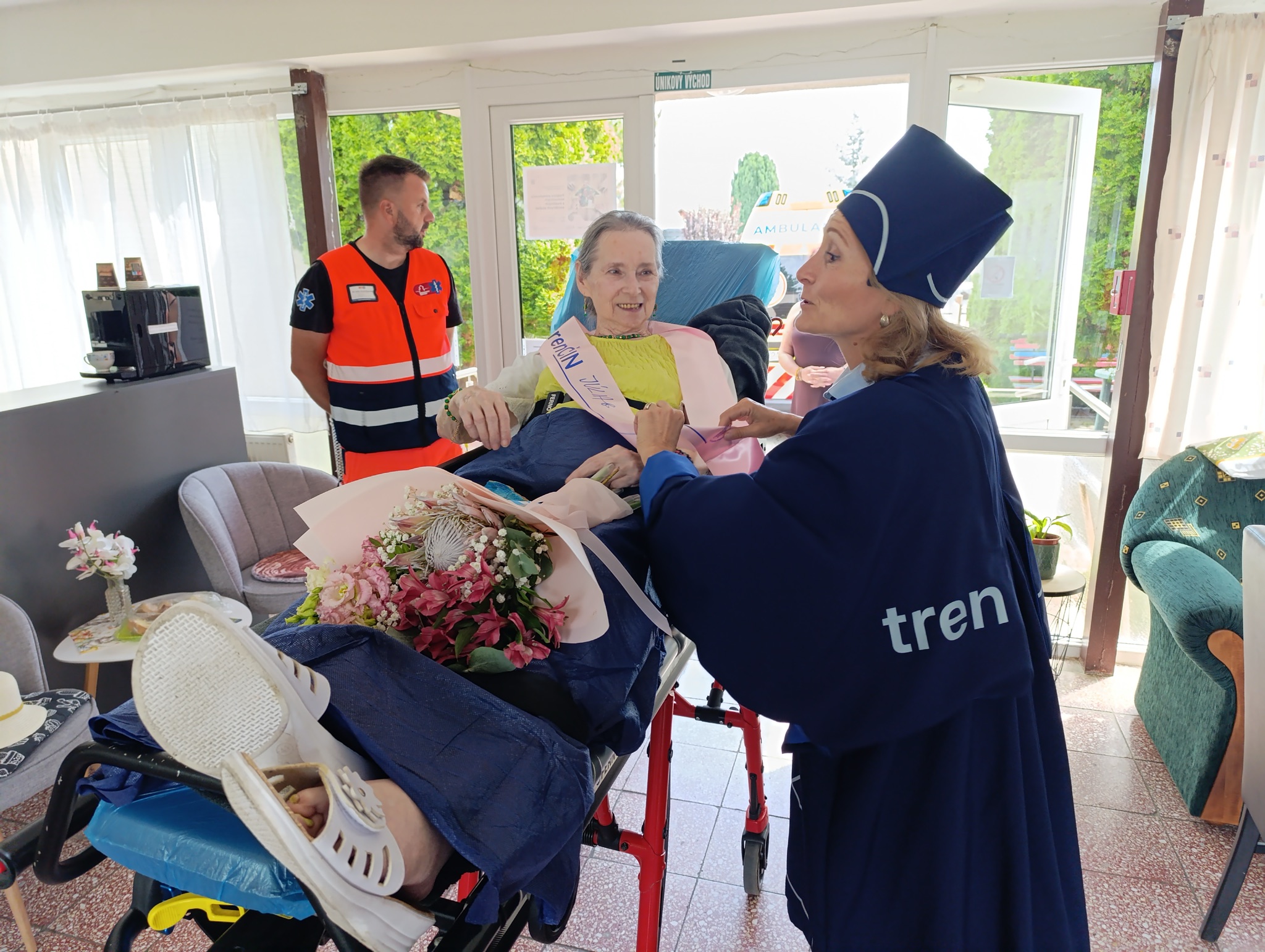
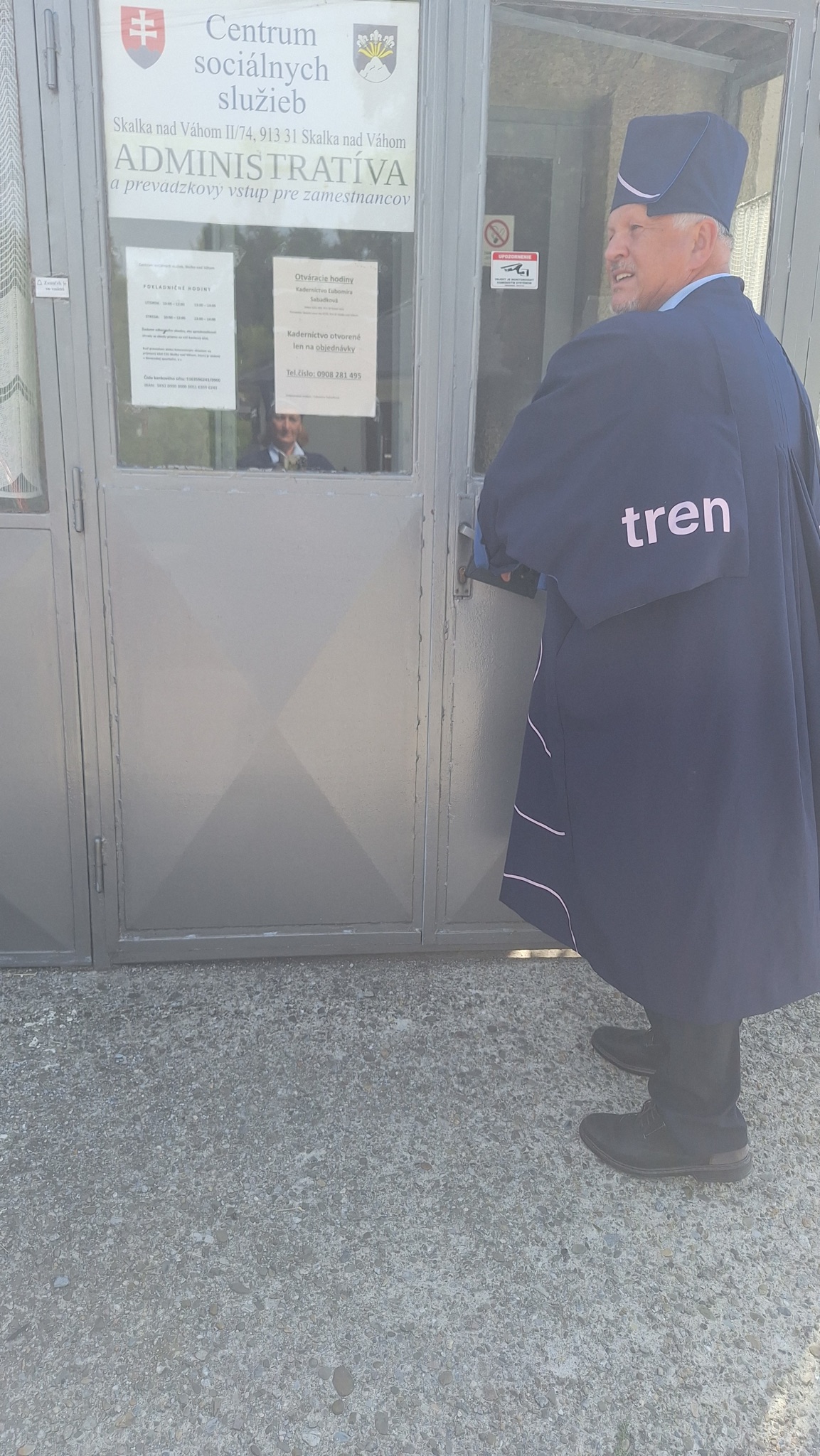
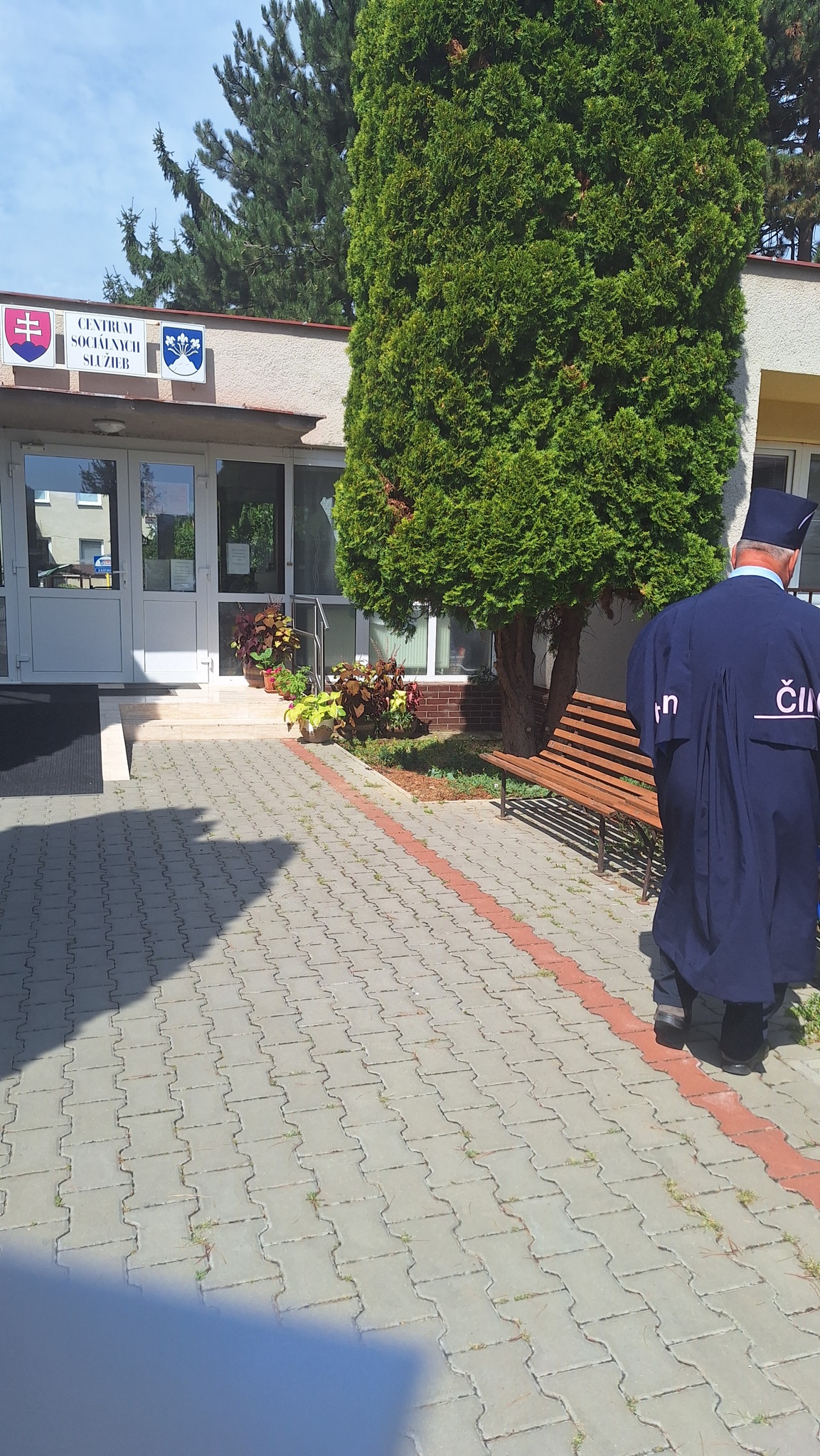
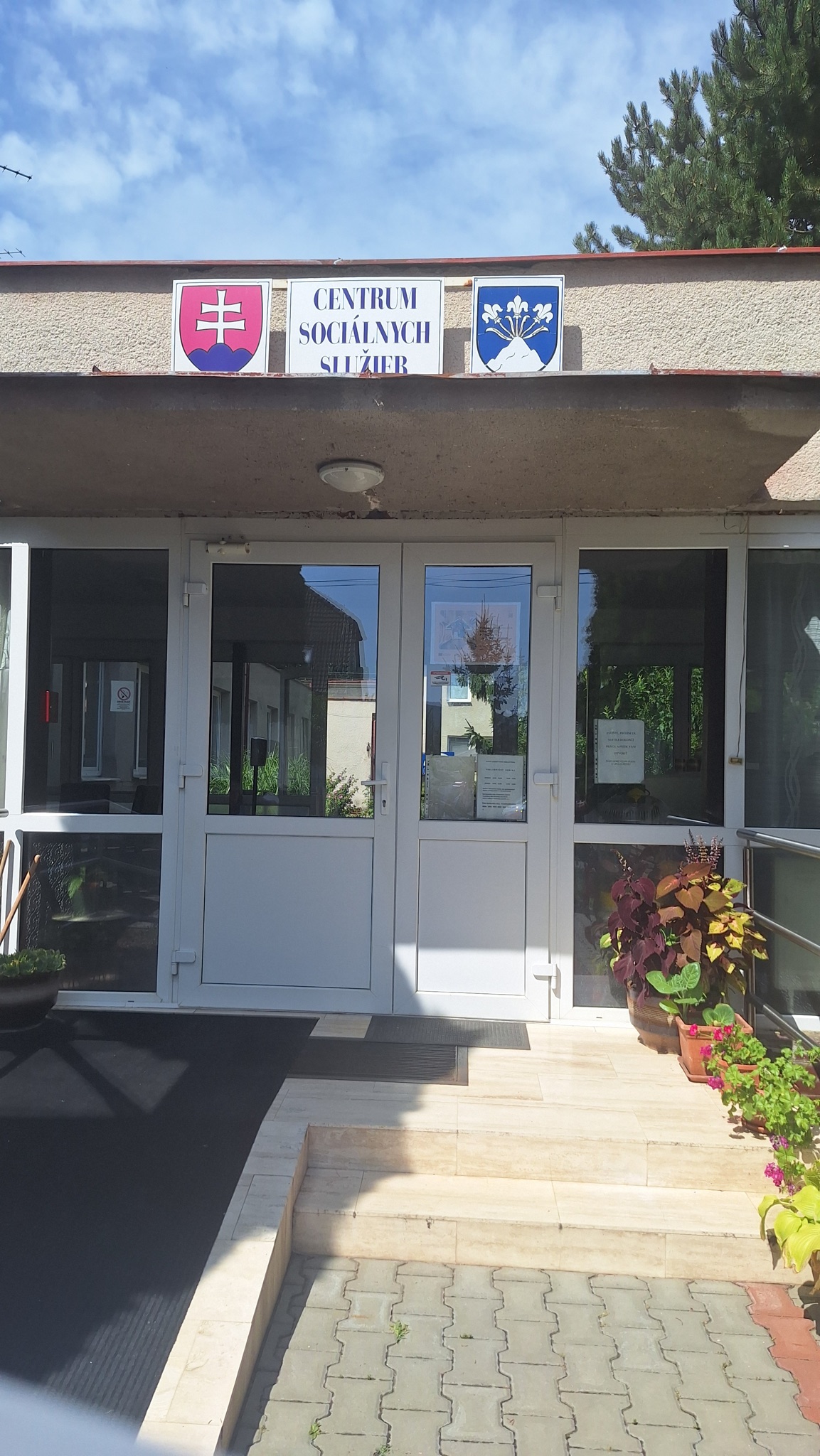
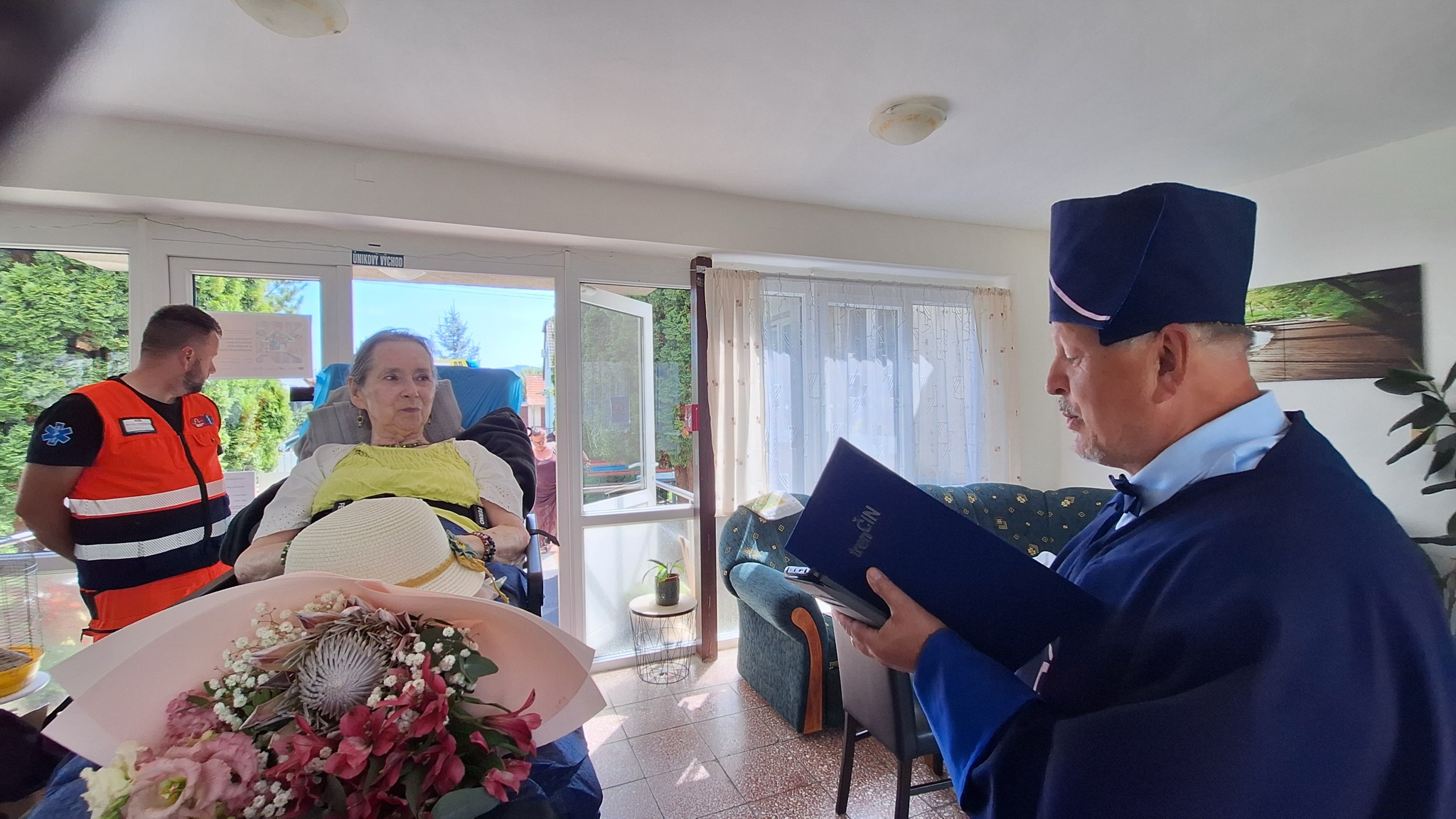
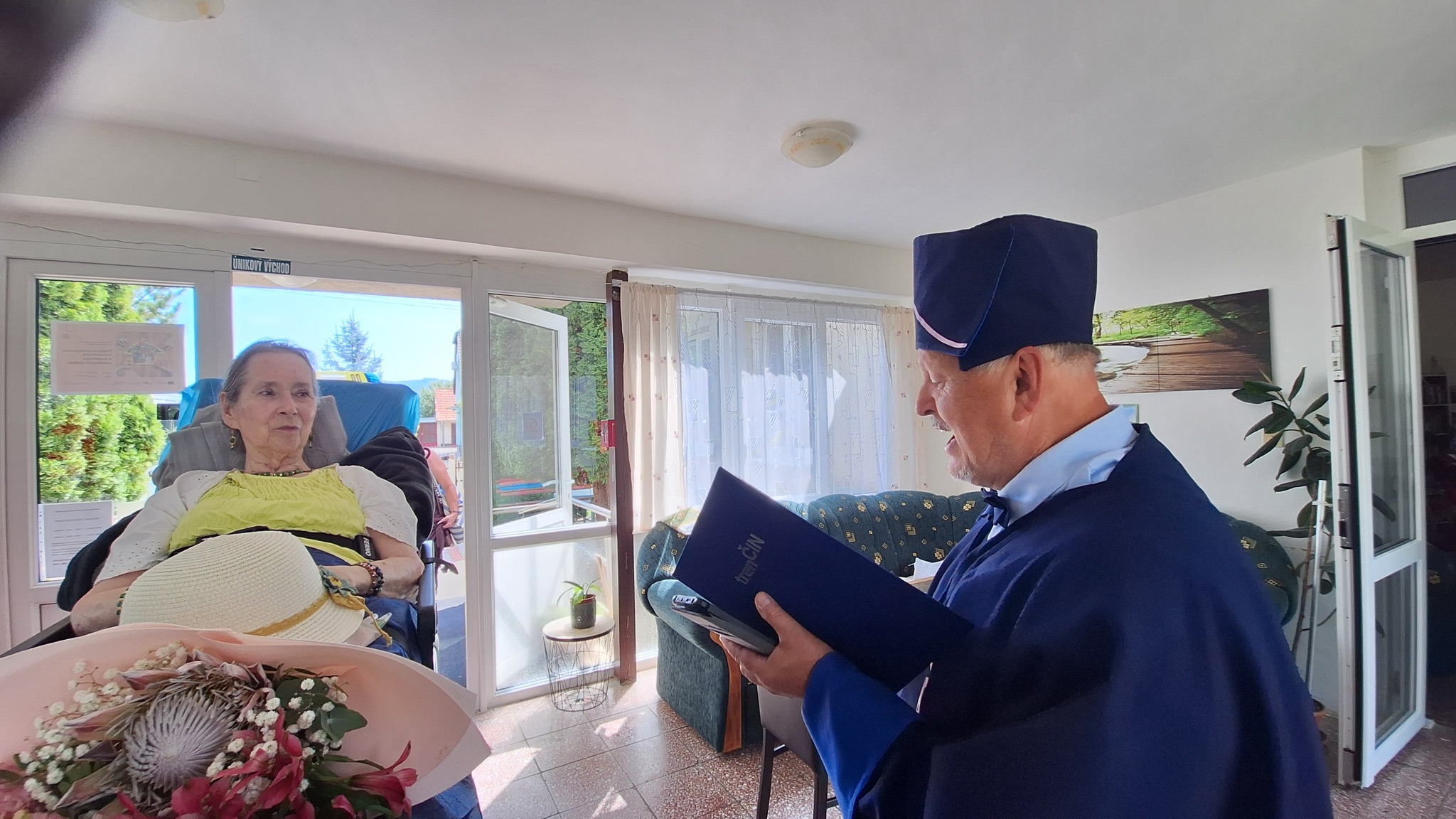
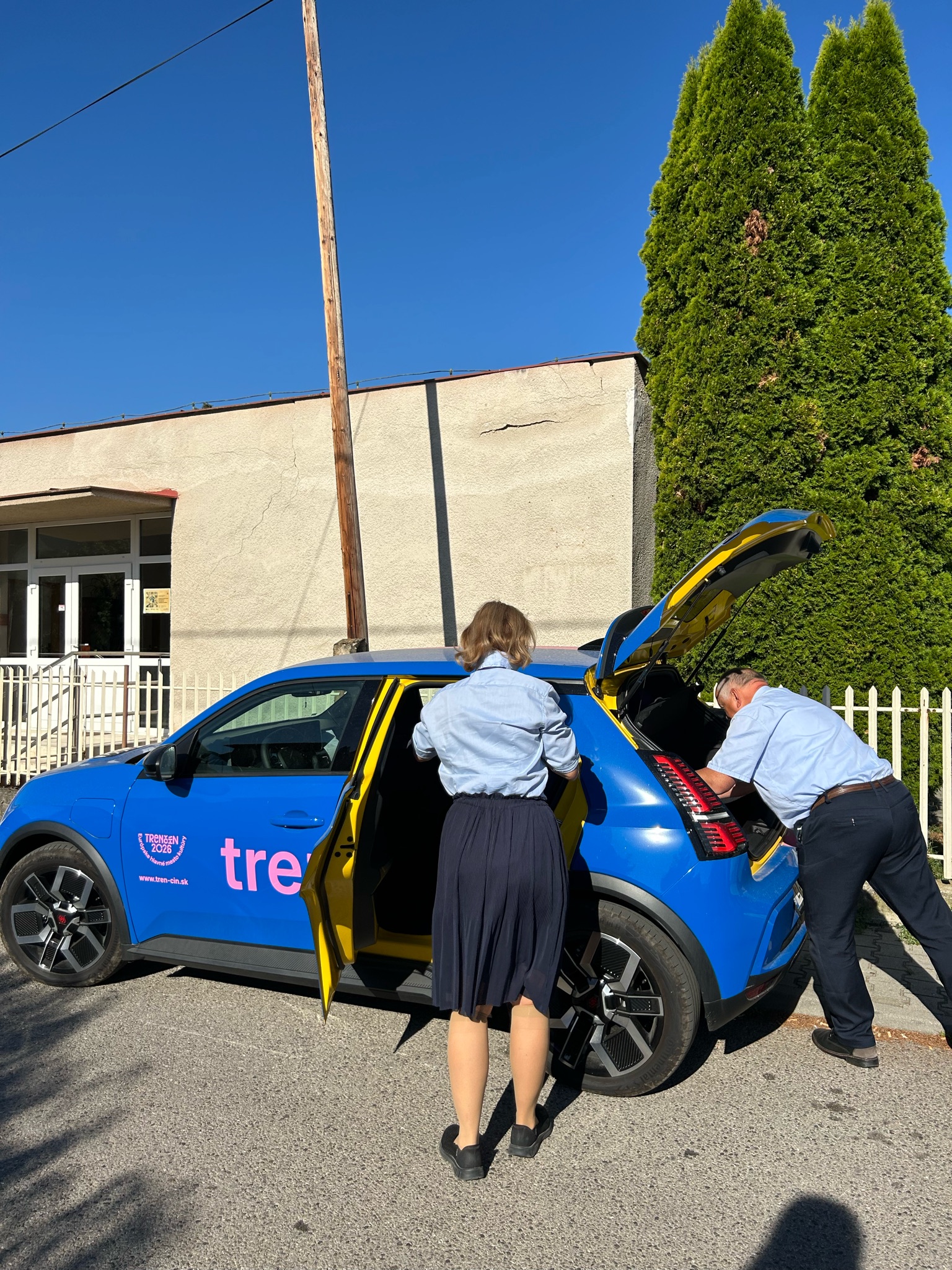
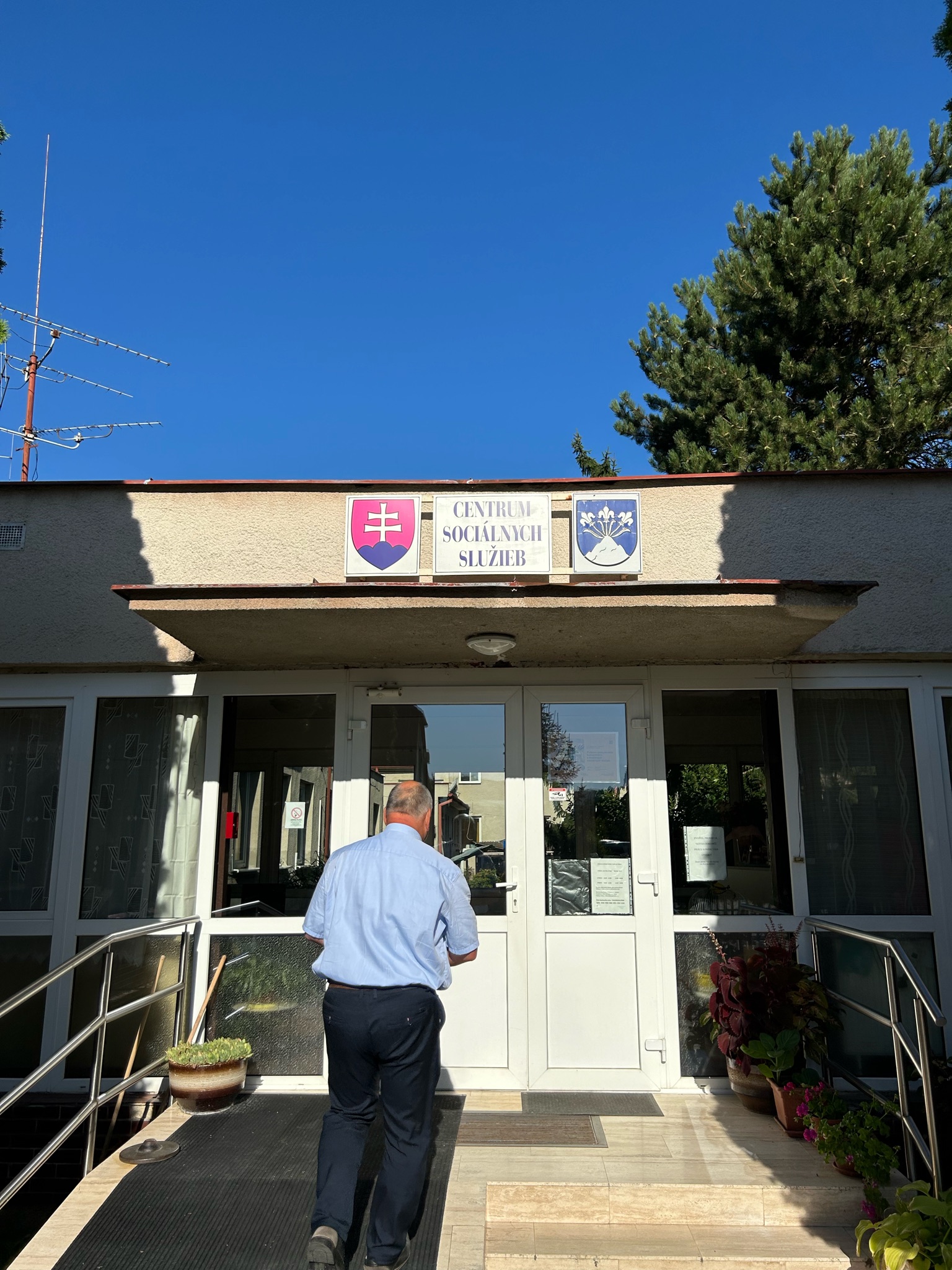
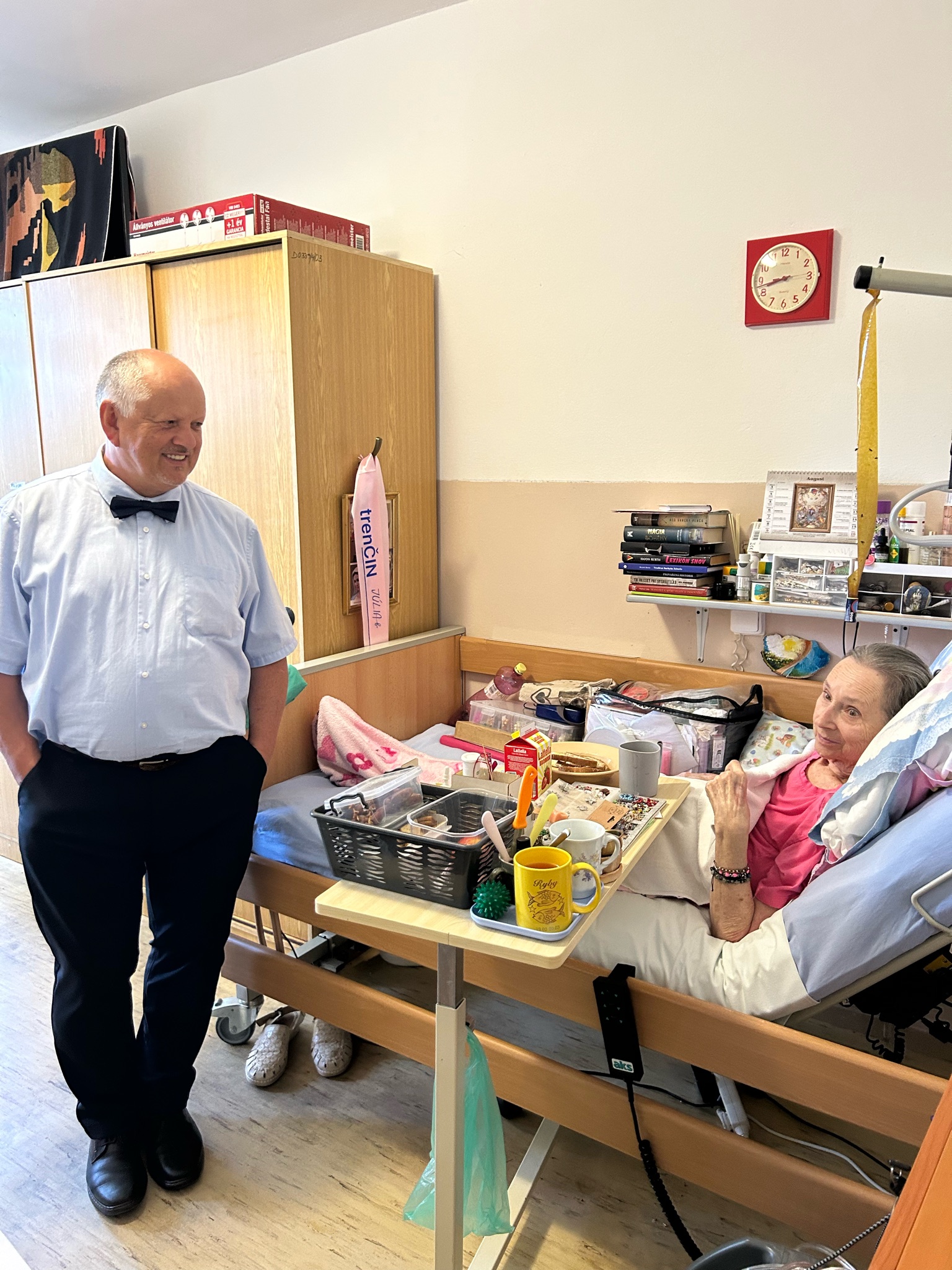
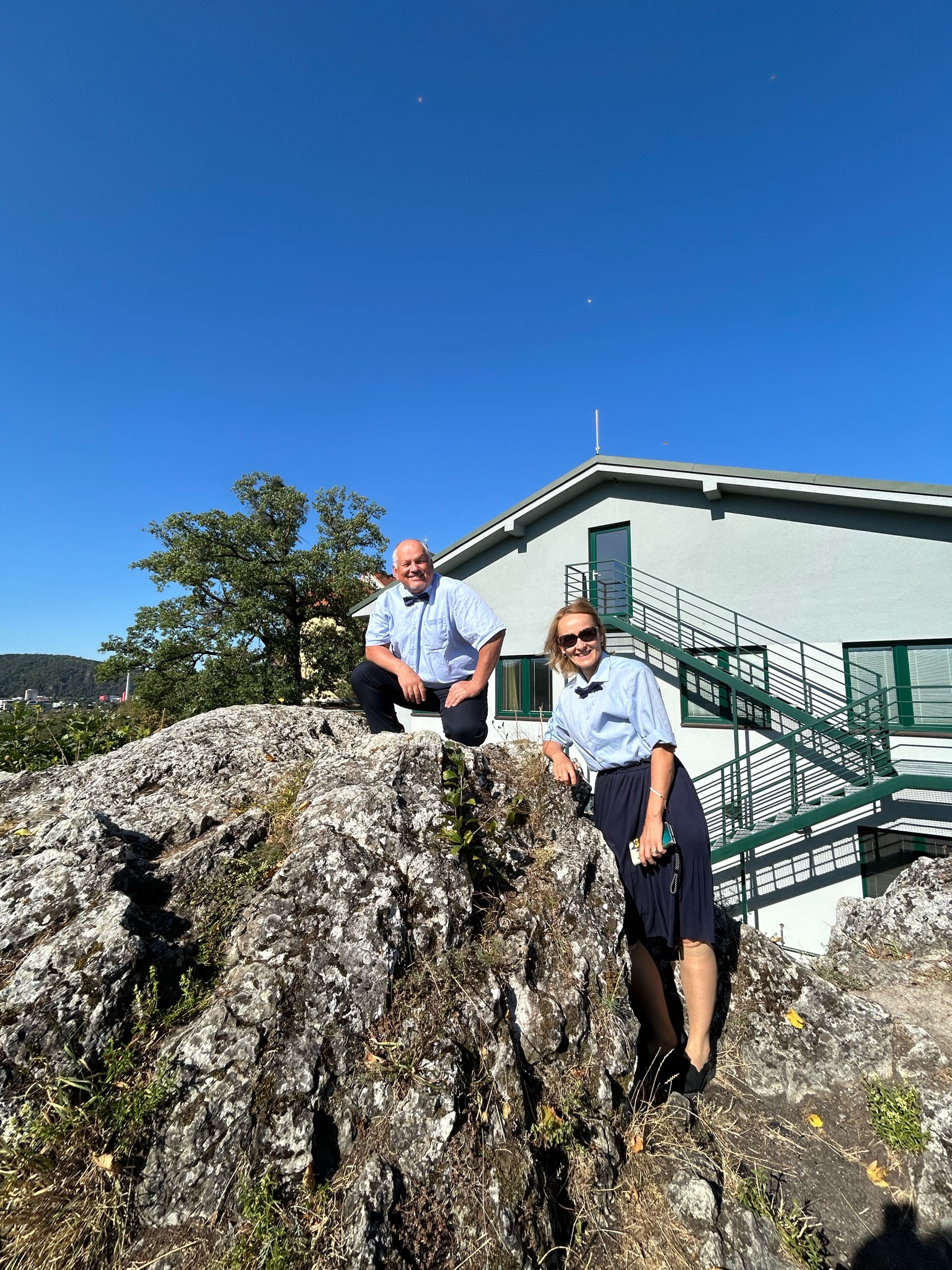
Mrs Julia has had the most beautiful years of her life in Trencin. She was a teacher of Slovak and history at the primary school in Nemšová and we visited her in the Social Services Home in Skalka nad Váhom. The surprise came out better than we could imagine. On the same day with the team of the project Cest za dreama took a trip to the beloved Trenčín castle. She met with friends from the Wagus Historical Sword Group, where she worked for years alone.
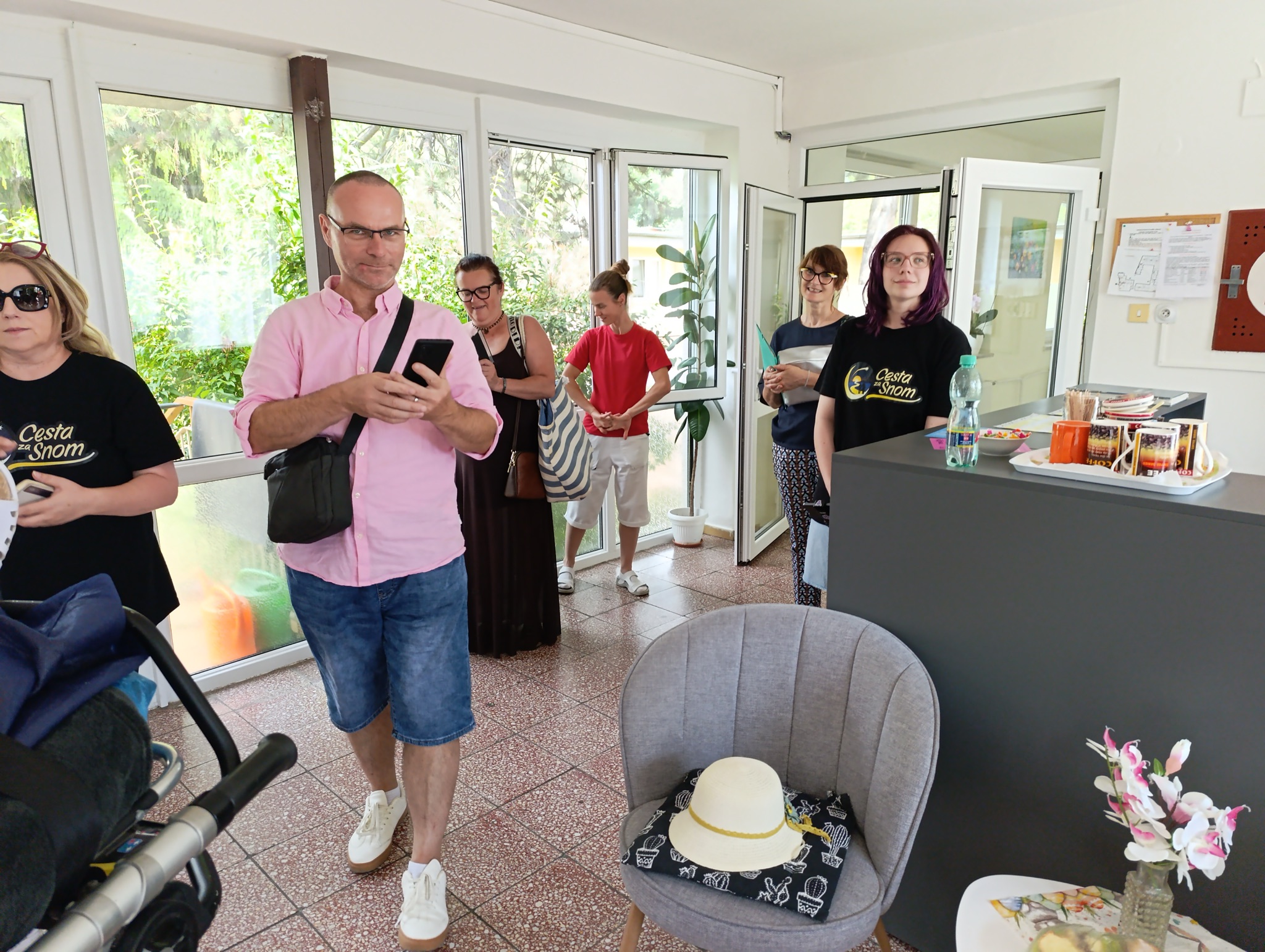
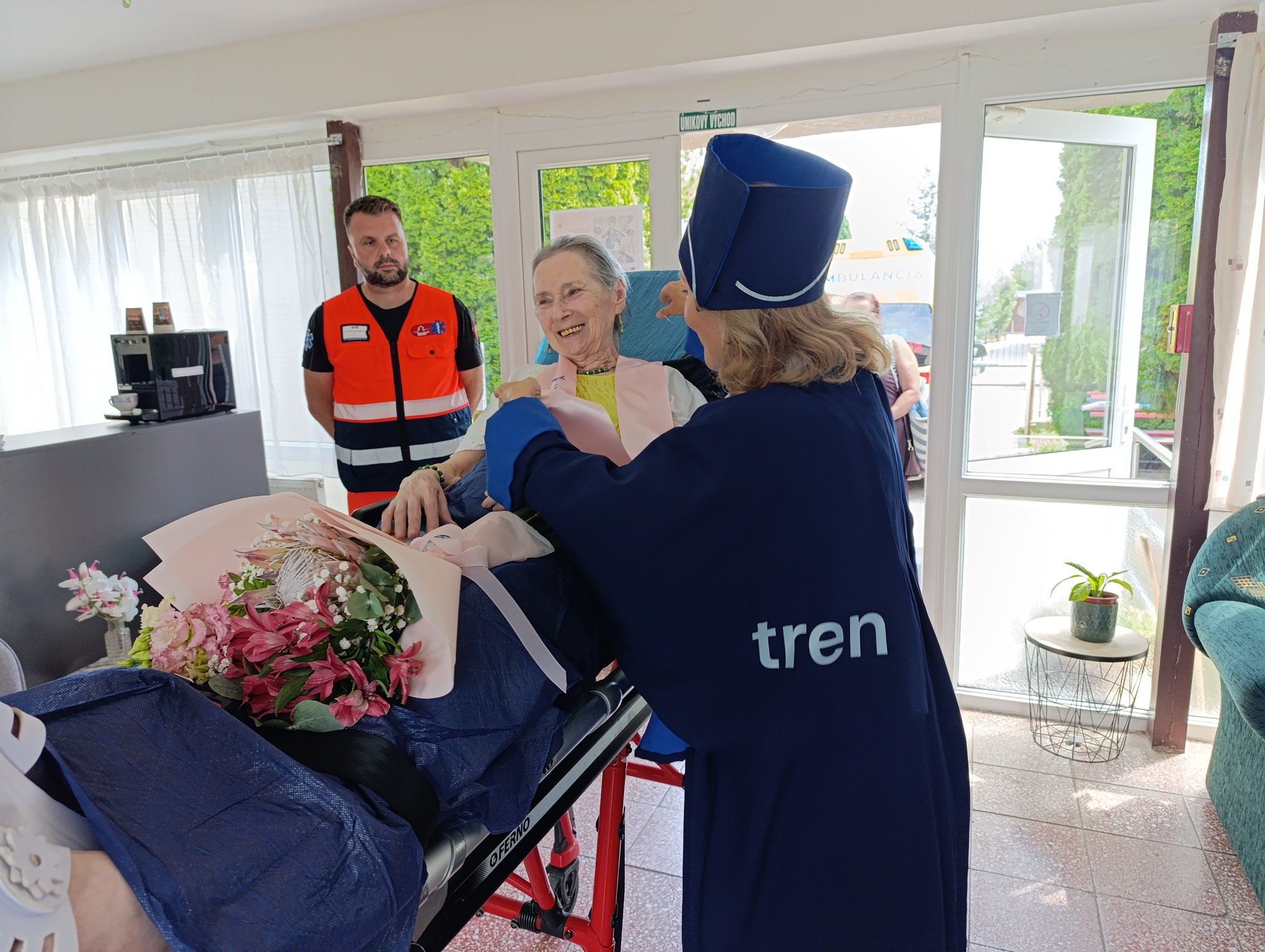
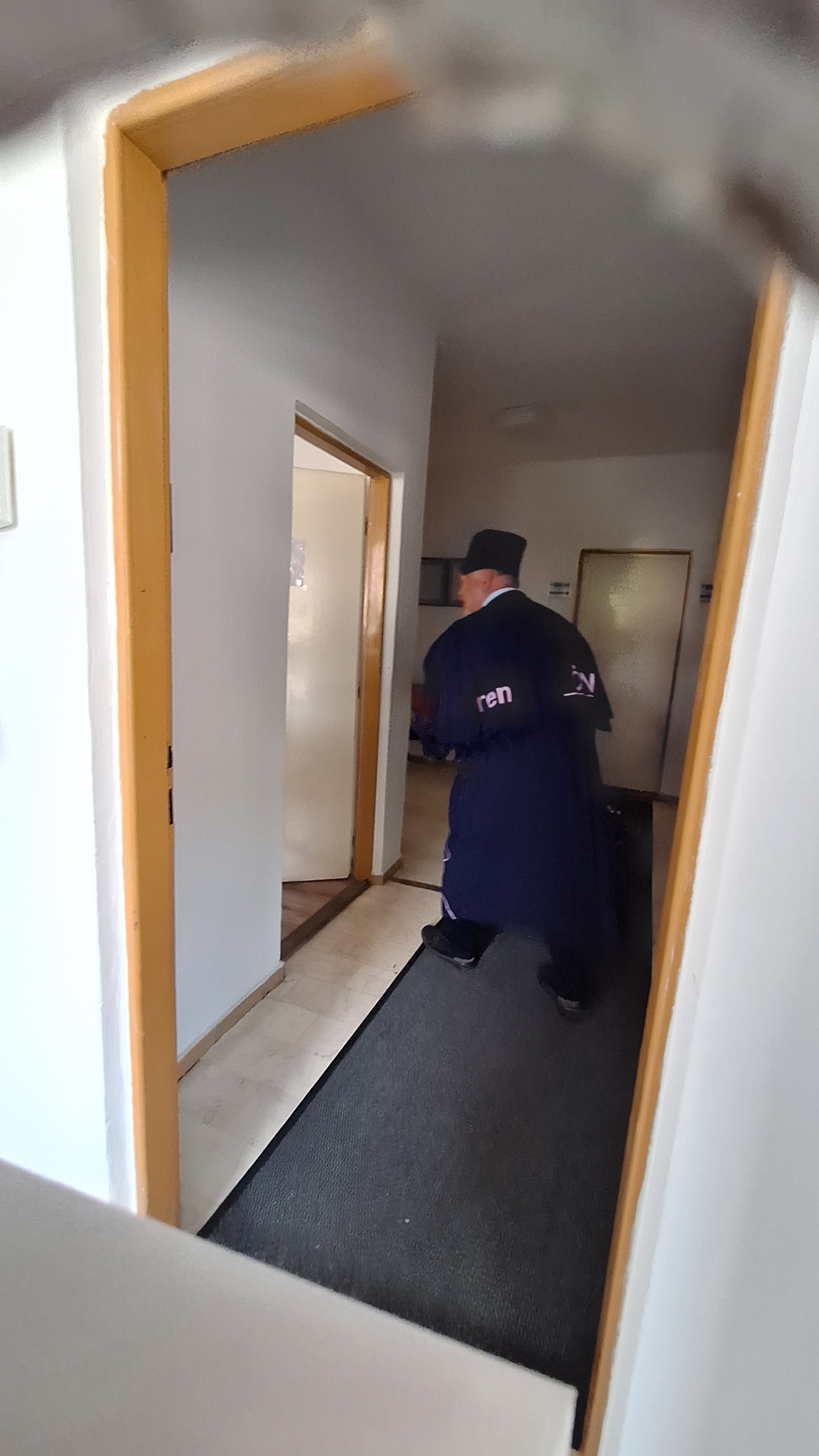
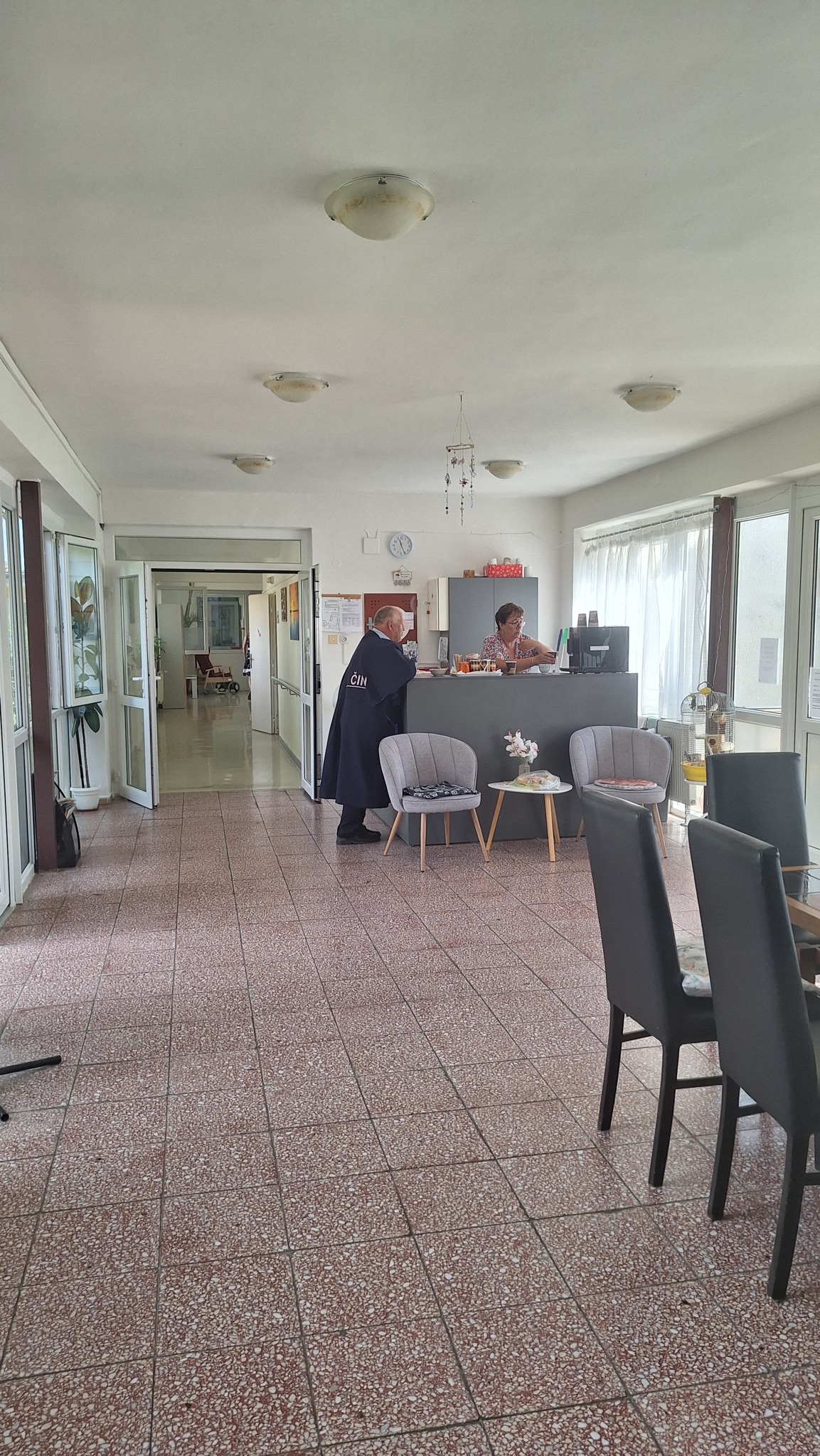
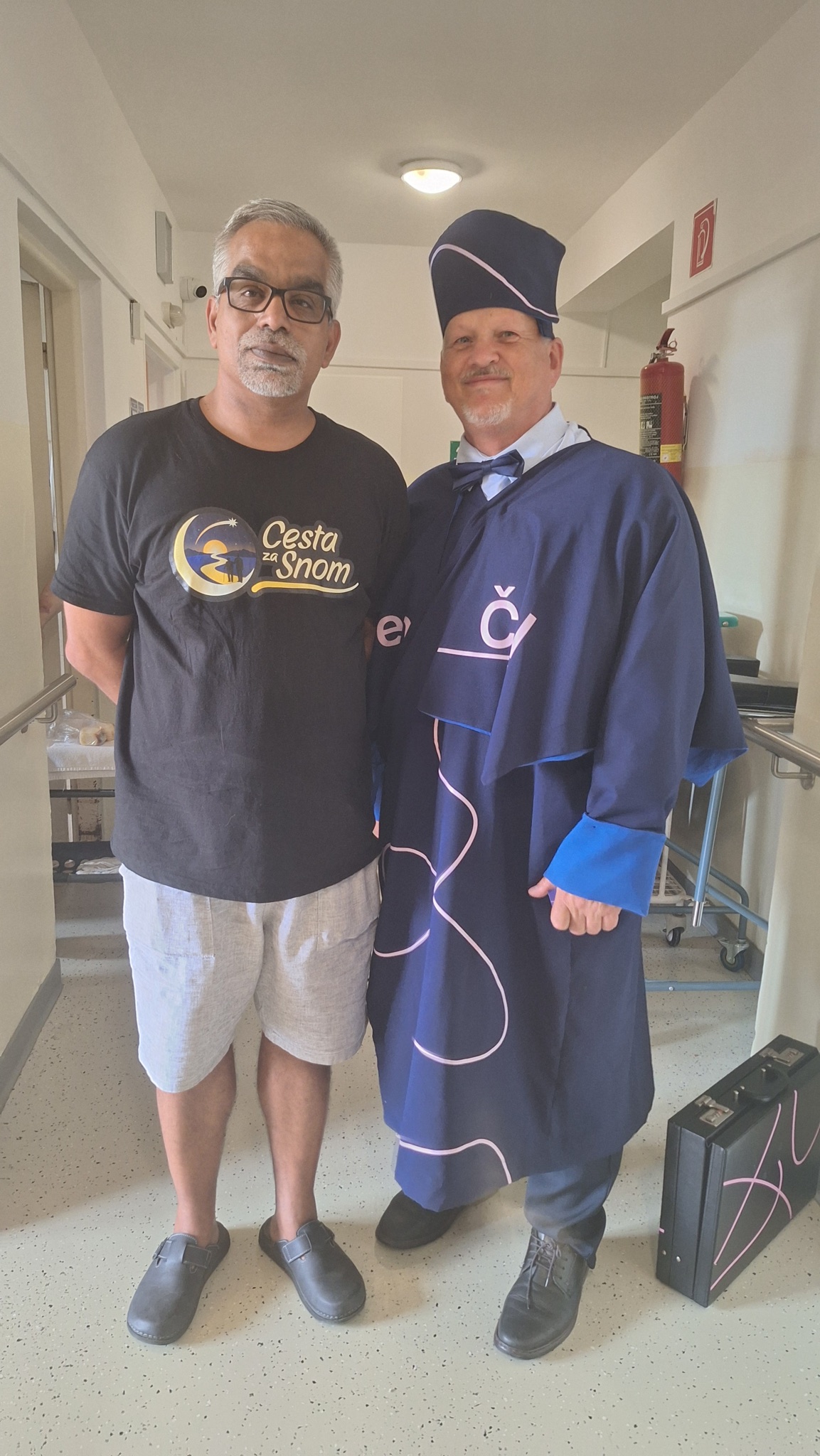
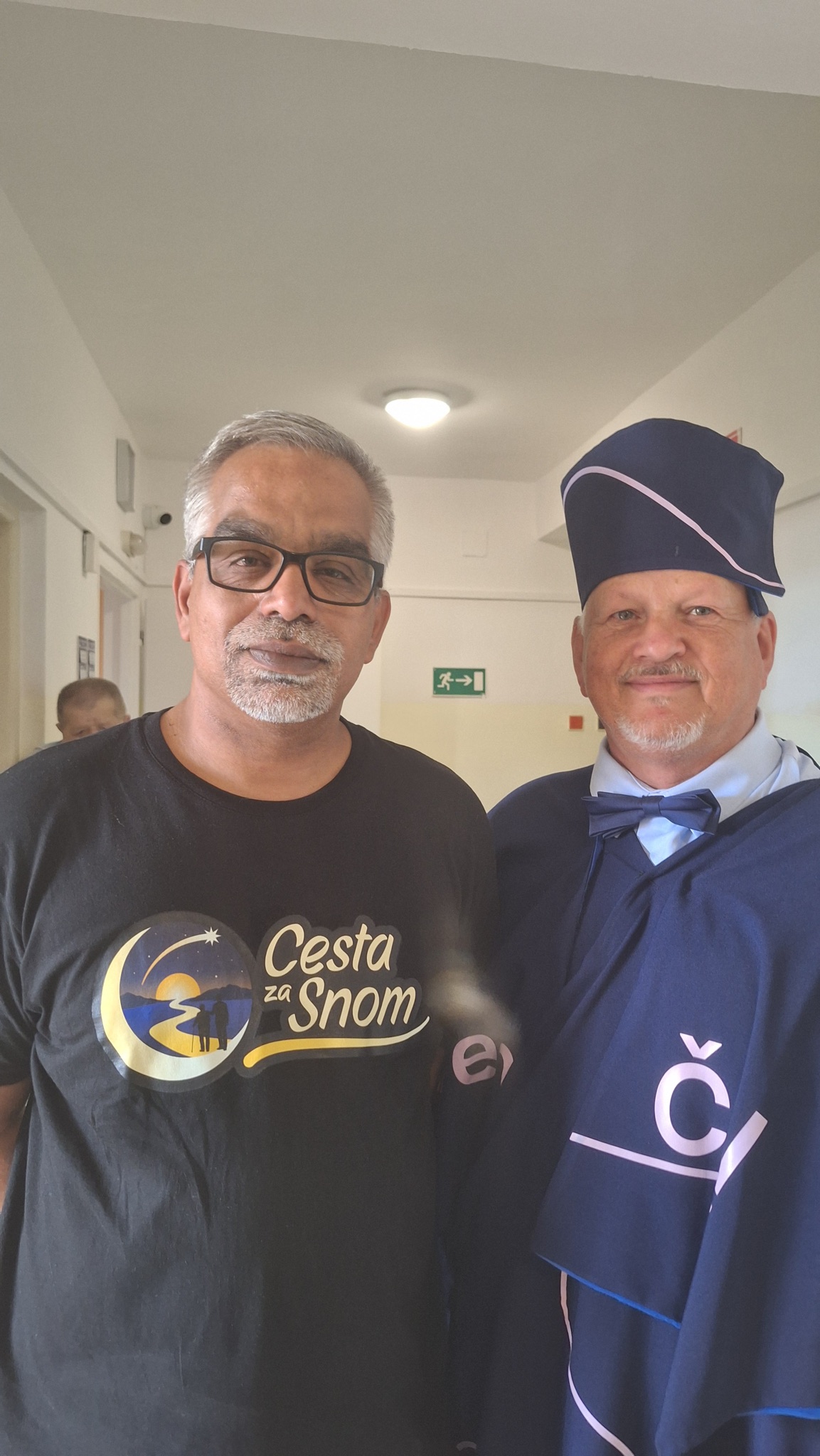
We waited for her in the lobby of the home for less than five minutes when the paramedics dropped her off the ambulance lounger. The surprise was perfect. Mrs. Julie wasn’t expecting us, we weren’t expecting the Roads behind the dream, and they were looking at our tartars and the ceremony as well. On Julia’s face, there was a warm smile. While she was being taken to bed, we briefly talked to the project author, who fulfilled the dreams of people in palliative care, Dr. Marcel Tóth. He explained that The Way Behind the Dream tries to point out the need for holistic access to the patient in palliative care, where each patient is a unique personality with his own story and it is necessary to help him maintain the quality of his life.
Julia told us about the corners of Trencin, where she survived puberty, student times, and the active part of life. She loved the Cherry Orchard on Brezina and the way from the castle to the city. Her love for history was instilled in her by the professor of the local high school, and then her hobby in history led her to the department.
I admired our ancestors in the early Middle Ages as they could defend their culture against so many surges. I also taught my children that history should be valued and learned from it,’ she said.
Her former students founded a group of historical fencing and came to see the professor to pick up medieval cuisine recipes.
For the first year I gave them recipes and for the second year I stood with them at the castle in the contemporary kitchen, and she said and added that they were cooking mash, baking pancakes, mixing drinks. The basis was Roman military kitchen.
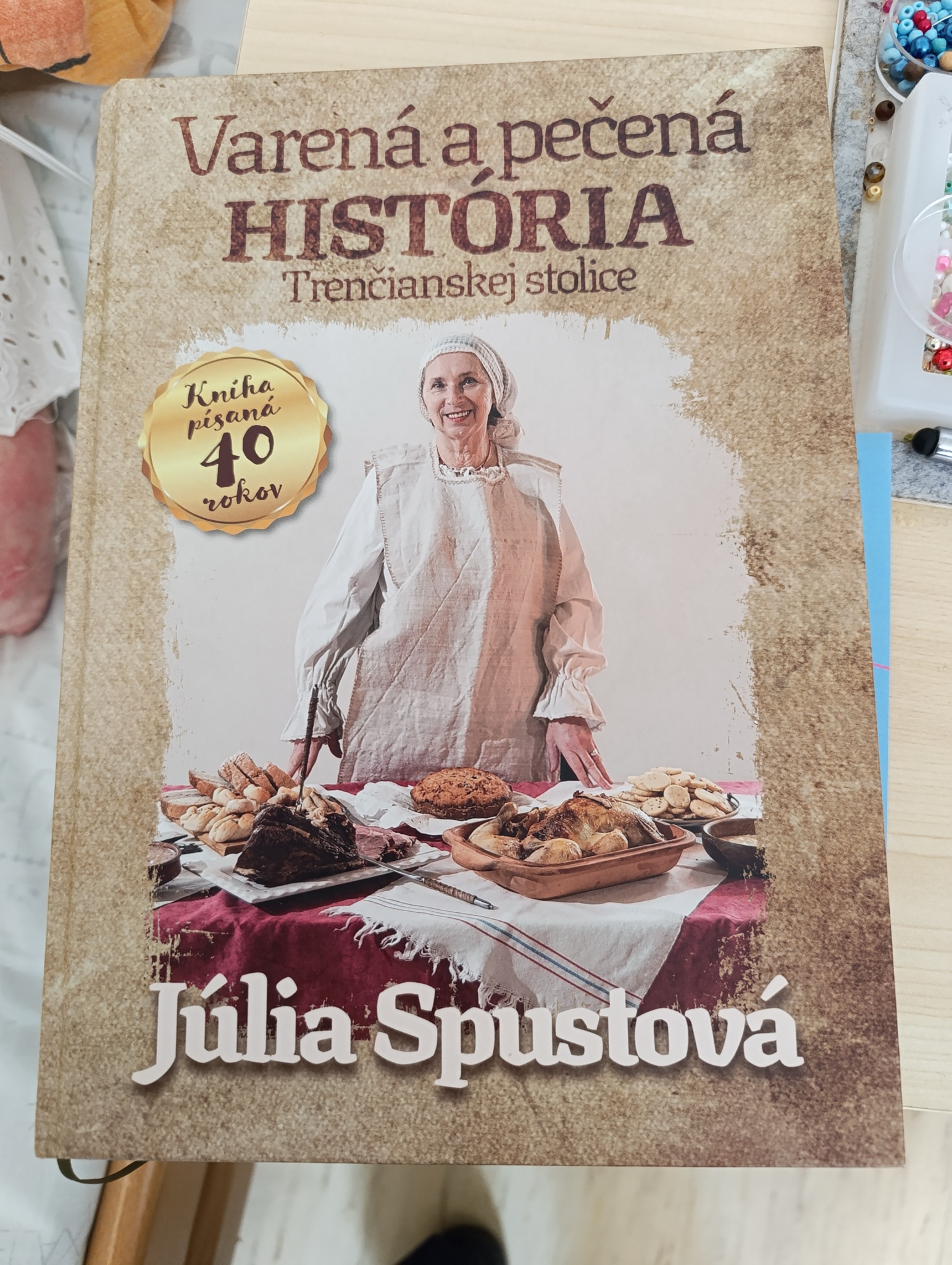
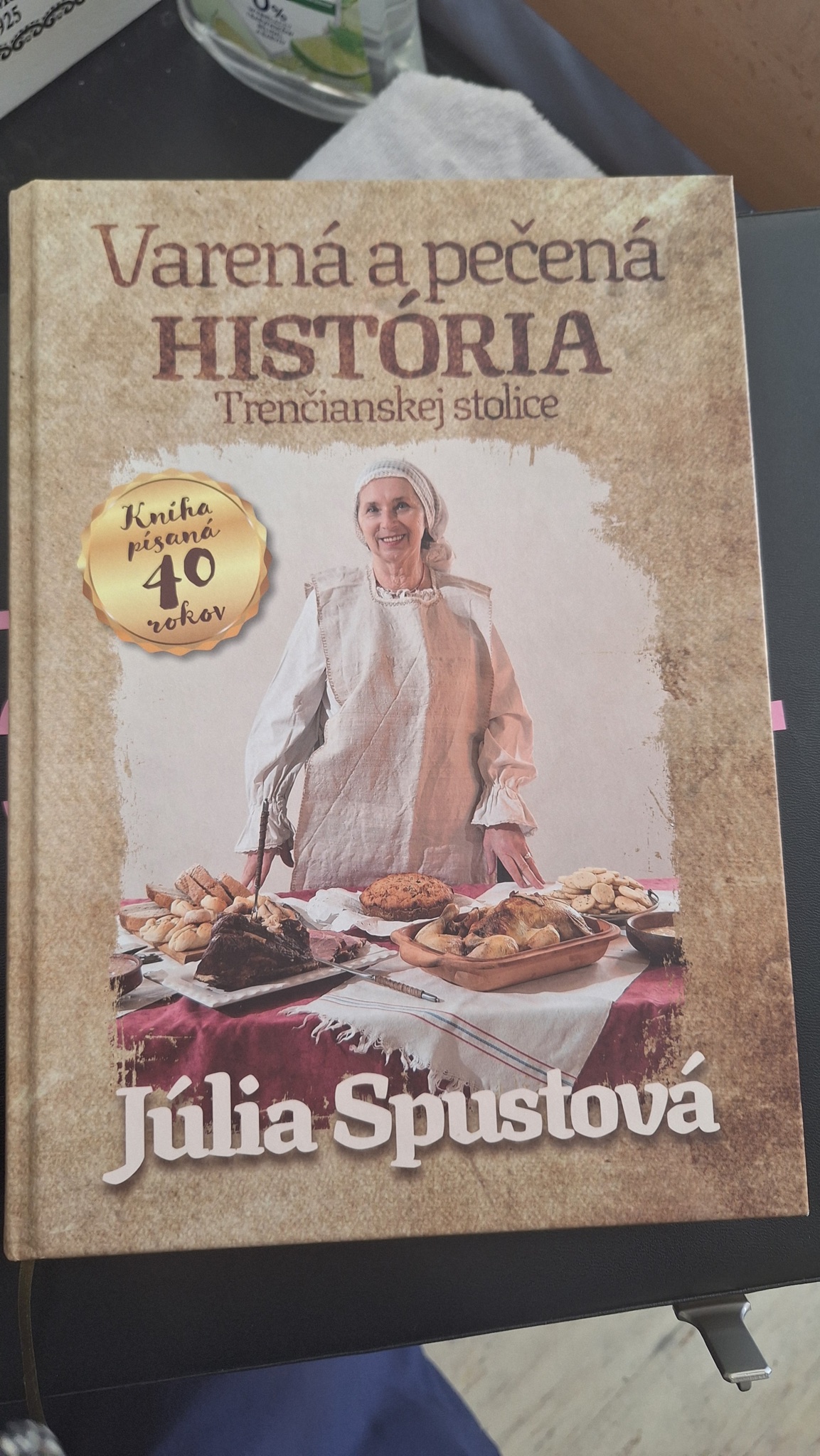
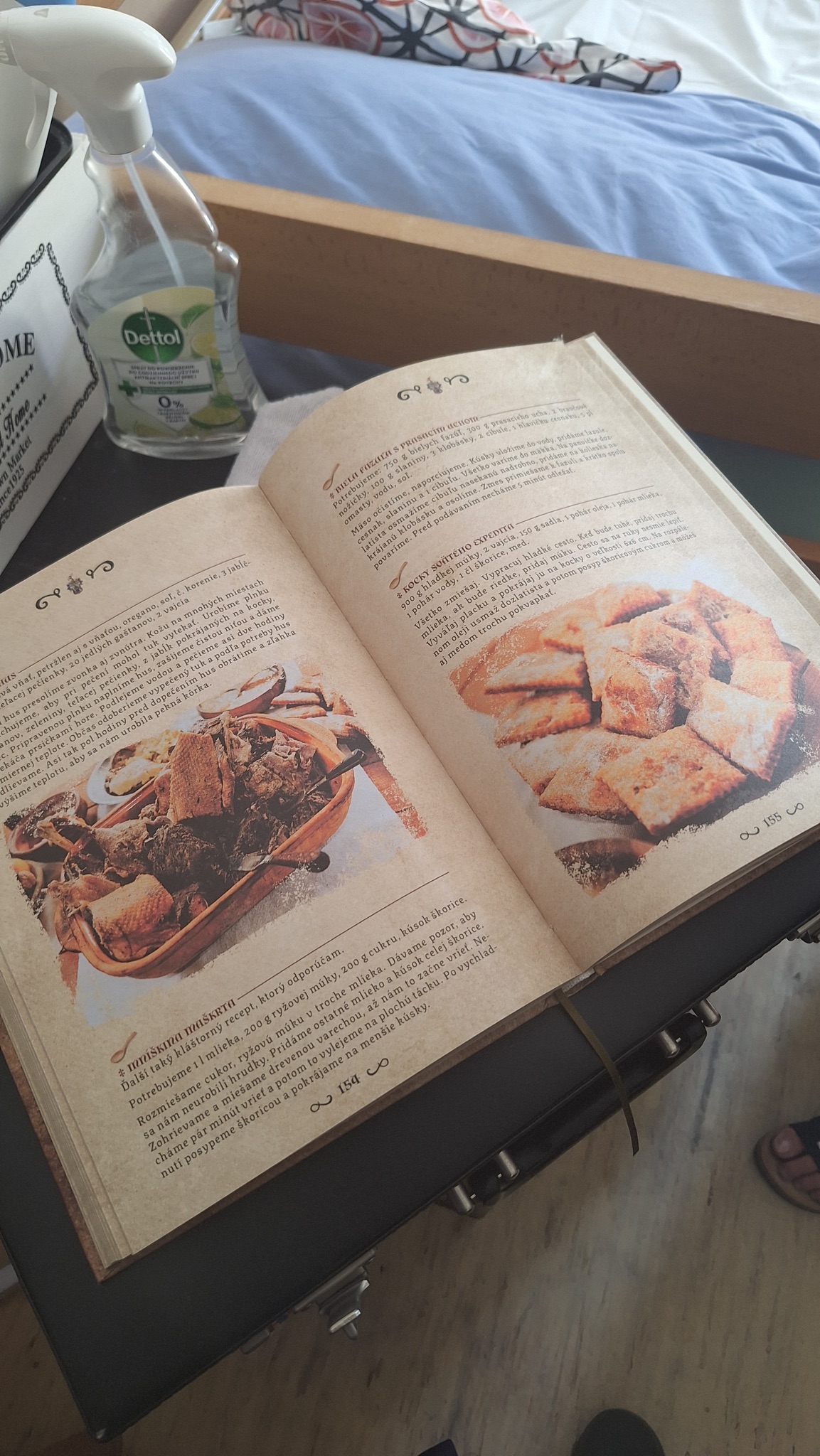
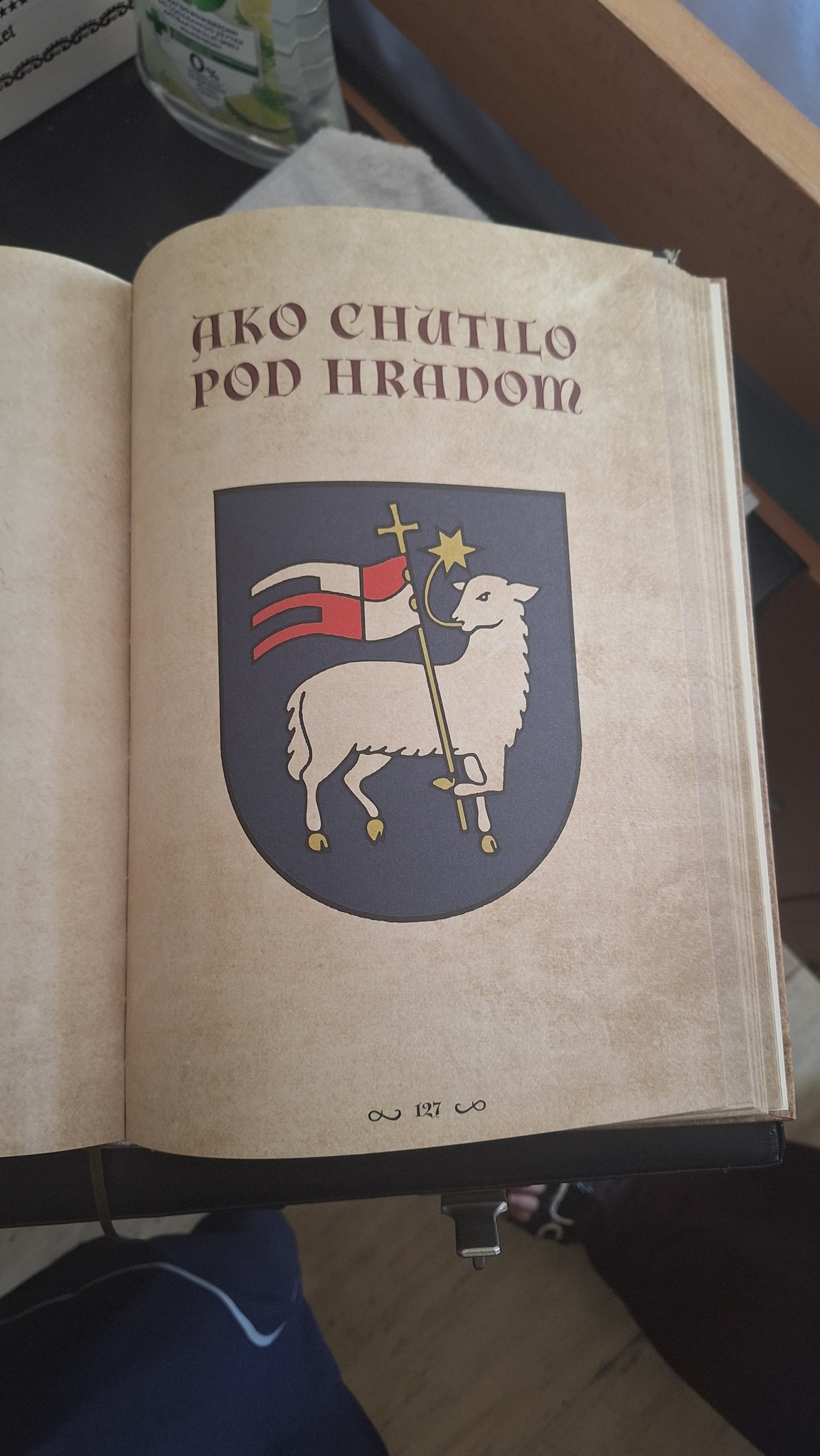
Imagine, the Romans were able to take fresh meat with them during their discharges. They had it in barrels filled with honey,’ says the teacher. She translated her knowledge and experience into a unique publication entitled Cooked and baked history of Trenčín stool. I didn’t resist and asked about the typical dishes of our ancestors. No, there’s no talking about bryndzo’s gnocchi.
Slavs ate porridge. Oat, wheat, rye or porridge from various herbs, such as nettle. The only vegetables at that time were cabbage. The delicacy was the tail of a beaver or a paw of a bear. Matej Corvinus nearly wiped out all the bears in the county because of them, ” she said and added that she had not tried the bear’s paw herself because no one had caught the bear for her.
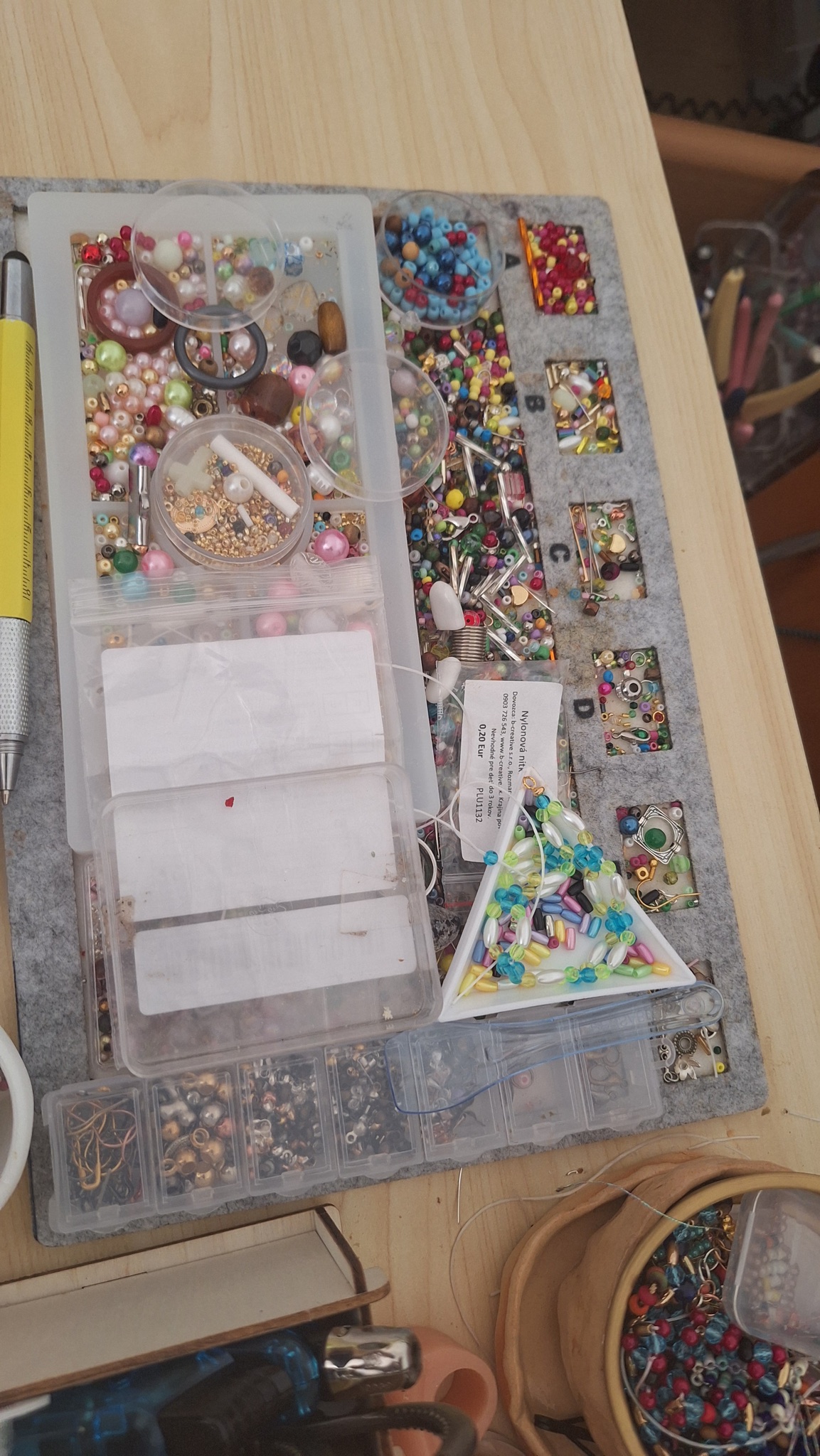
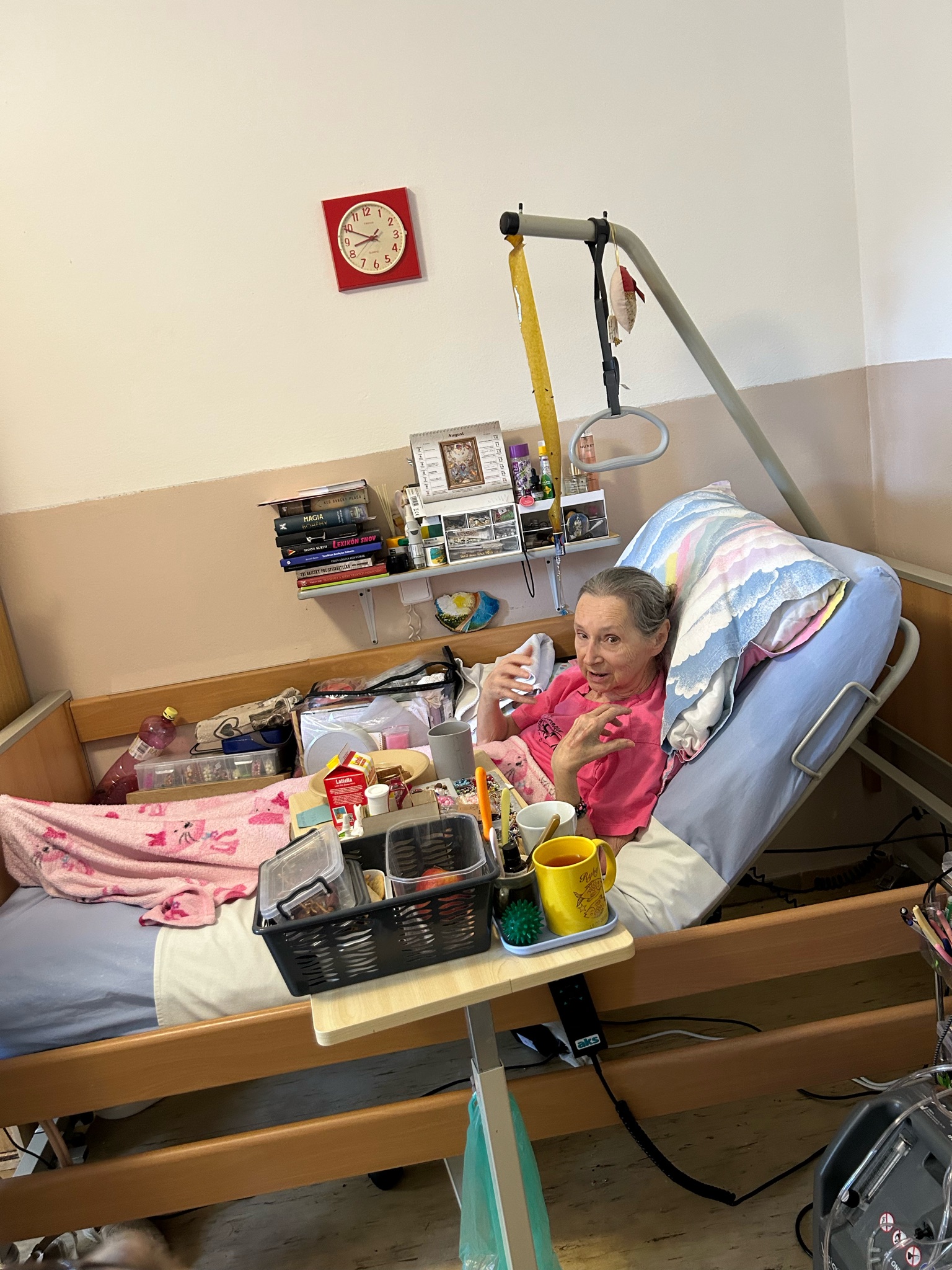
Julia is bedridden, but she still tries to please the surroundings. He makes bracelets, pendants, or other jewelry and bead decorations for everyone’s pleasure.